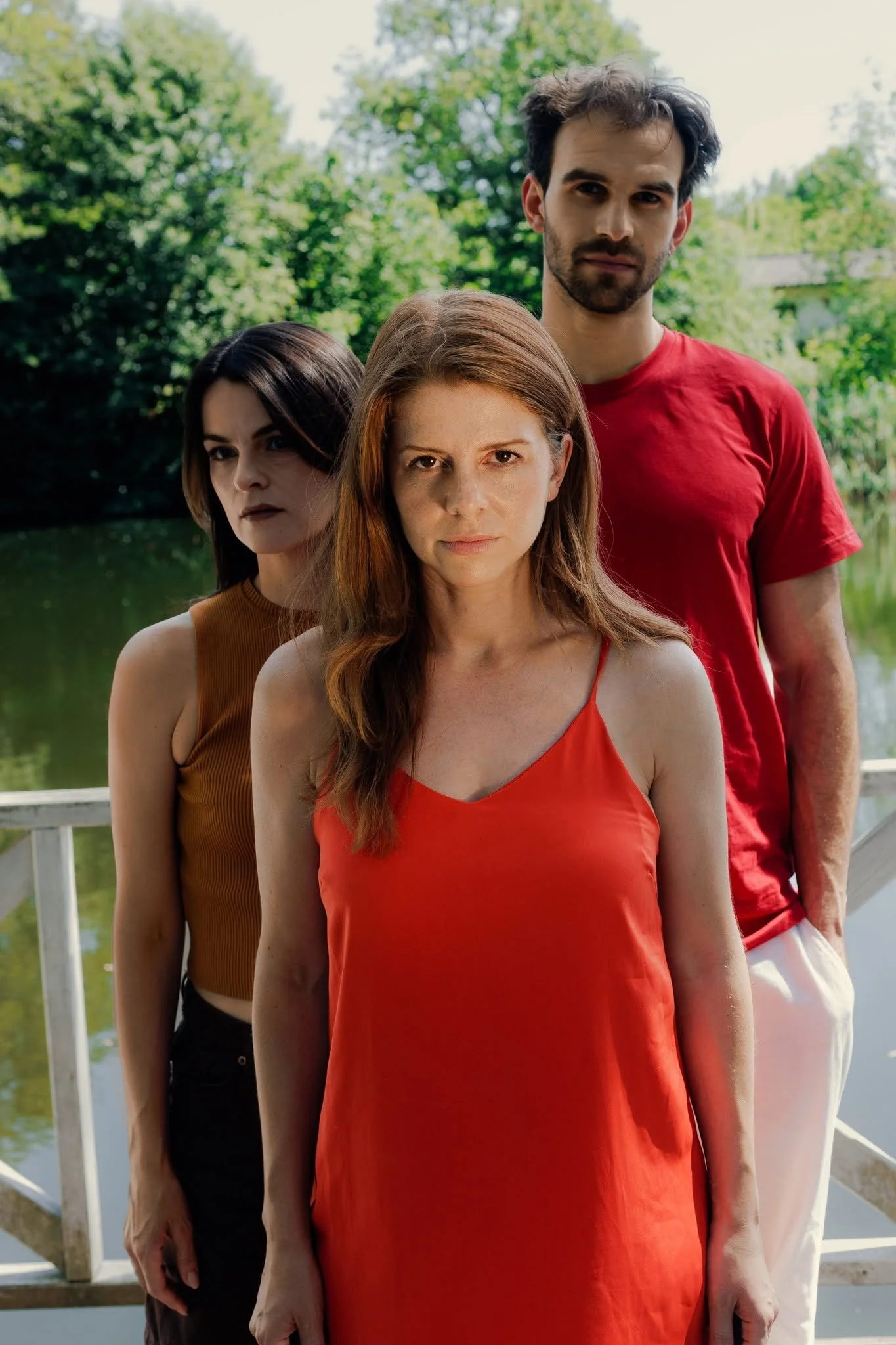
THE HUMAN EXPERIENCE (international title)
“Facetten der menschlichen Existenz” (German title)
Feature Film, 87 Min, German
Genre: Psychological Drama/Horror/Fantasy
written by Natalie MacMahon
Logline: In this psychological drama, an actress who has lost her sense of identity after years immersed in the surreal theatre play “The Human Experience” retreats to a remote summer holiday house, where an unexpected visitor pushes her to confront her primal instincts and the core of humanity.
Alternative Version: After ten years trapped in a surreal stage play, Faye escapes to a remote summer house, where searing heat, rising desire, and an eerie visitor push her into a dangerous battle for her identity and awaken her animal instincts.
Official Website: https://www.thehumanexperiencefilm.com/
YOU WEREN’T BORN TO FOLLOW SOMEONE ELSE’S SCRIPT, YOU WERE BORN TO WRITE YOUR OWN STORY.
Press kit: https://issuu.com/macmahonmedia/docs/presskit-_the_human_experience_?fr=sNGIwZjkwMDkxMDM
Themes: Identity/ Instincts/ Overcoming Fear/What it means to be human
When your identity is build around survival…
Destroy the old you, before it destroys you.
Humans are the scariest beings on this planet.
Longer description:
An actress, trapped in the role she has embodied for years, retreats to a remote summer house to spend time with her best friend, a photographer searching for truth. But as the scorching heat intensifies, so does her struggle to break free from the character that still haunts her.
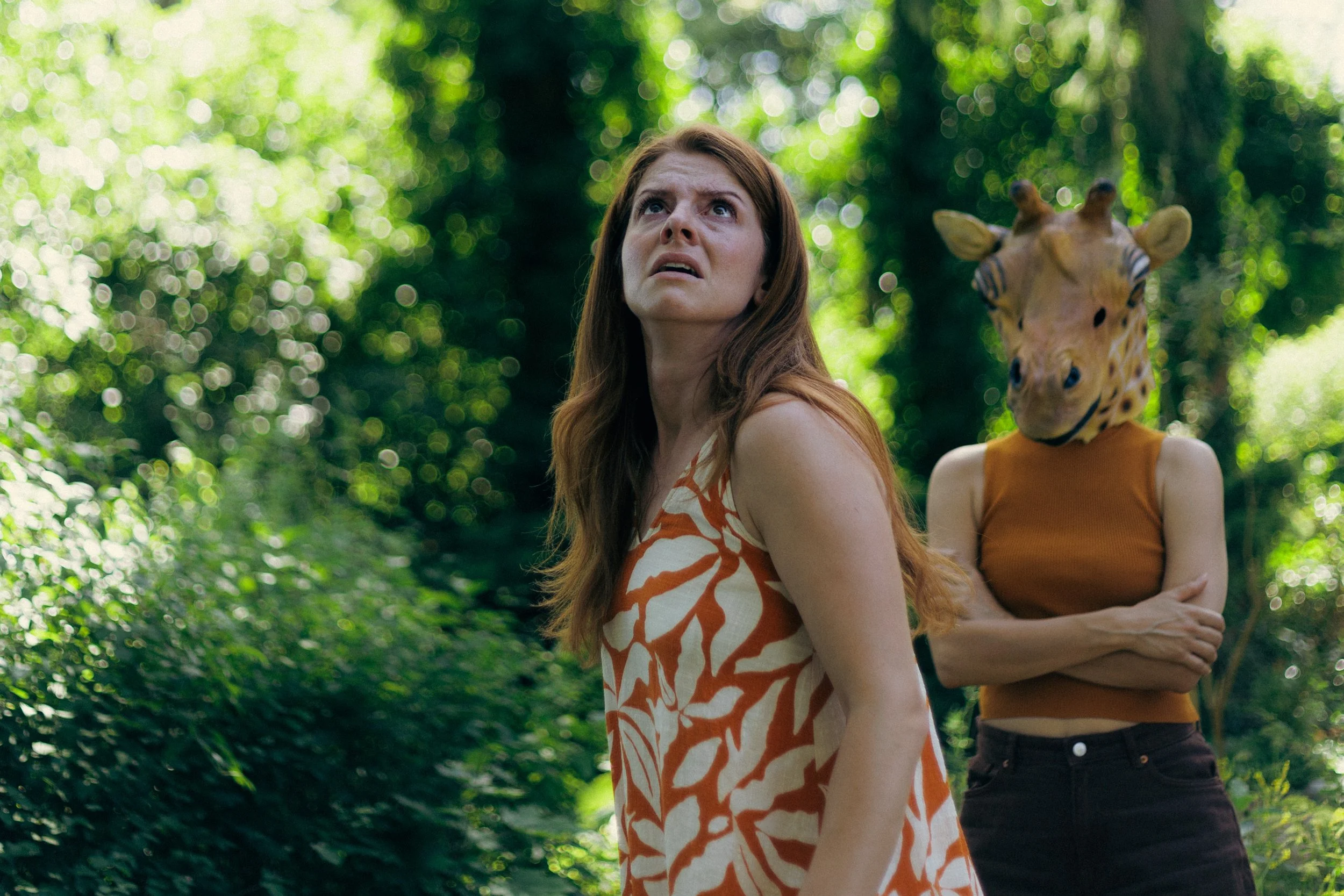
Their time together is disrupted when the director of the play arrives, obsessed with keeping her in the role, blurring the lines between performance and reality. Drifting between waking life, dreams, and nightmares, she begins to lose herself, while animal instincts and the memory of a childhood giraffe become her only guidance.
A hypnotic psychological drama about identity, control, and the wild, untamed nature of humanity.
Is this a memory or a dream?
Who are you when you are no longer yourself?
The fears we don’t face become our limits.
For some creativity isn’t just an escape, it’s the truest way they confront reality.
Quotes that inspired this story:
When one is pretending, the entire body revolts. (Anais Nin)
“I have done nothing all summer but wait for myself to be myself again.” (Georgia O'Keeffe)
“The whole world is wild at heart and weird on top.” (David Lynch)
“Everything that is visible hides something that is invisible.” (René Magritte)
“The soul is the same in all living creatures, although the body of each is different.” (Hippocrates)
“Acting is the most human of all arts.” (Viola Davis)
“Sometimes fear does not subside and you must do it afraid.”
Status: looking for producer
Official IG account: https://www.instagram.com/humanexperience_film/
Facebook film page: https://www.facebook.com/humanexperiencefilm
Make peace with the fact that people hold different versions of you in their mind. I’m not what you think I am. You are what you think I am.
Screenwriter Statement:
Short Version:
At the heart of The Human Experience lies the question: what does it truly mean to be human? Faye’s fear of losing herself in a role pulls her into a dreamlike unraveling where memory, instinct, and identity blur together. The world around her mirrors her inner chaos, becoming a haunting extension of her mind. Ultimately, the film is a hypnotic exploration of self, of what remains when the performance ends.
The horror in this film lives in identity fragmentation
Long Version:
What does it mean to be human? This question lingers at the heart of The Human Experience, a story that explores the fragile boundaries between identity, instinct, and performance. As someone who has lived in the world of acting, I know the eerie sensation of losing yourself in a role when the lines blur, when the character takes up more space than you do. This film is an extension of that feeling, pushing it to its most surreal and unsettling extremes.
Faye’s journey is one of fear - of losing control, of surrendering to something primal, of no longer knowing where she ends and her role begins. But fear is not the enemy; it is a threshold. Beneath it lies transformation, instinct, and raw truth. As she spirals between waking life and hallucination, the wild world around her mirrors her unraveling mind. The oppressive summer heat, the whispering forest, the lingering presence of a childhood giraffe - these elements are not just memories; they are manifestations of her inner struggle.
At its core, The Human Experience is a hypnotic descent into the unknown, a battle for identity against the forces that seek to define us. It is a cinematic fever dream, a visceral exploration of what happens when we strip away the masks we wear - if we even can.
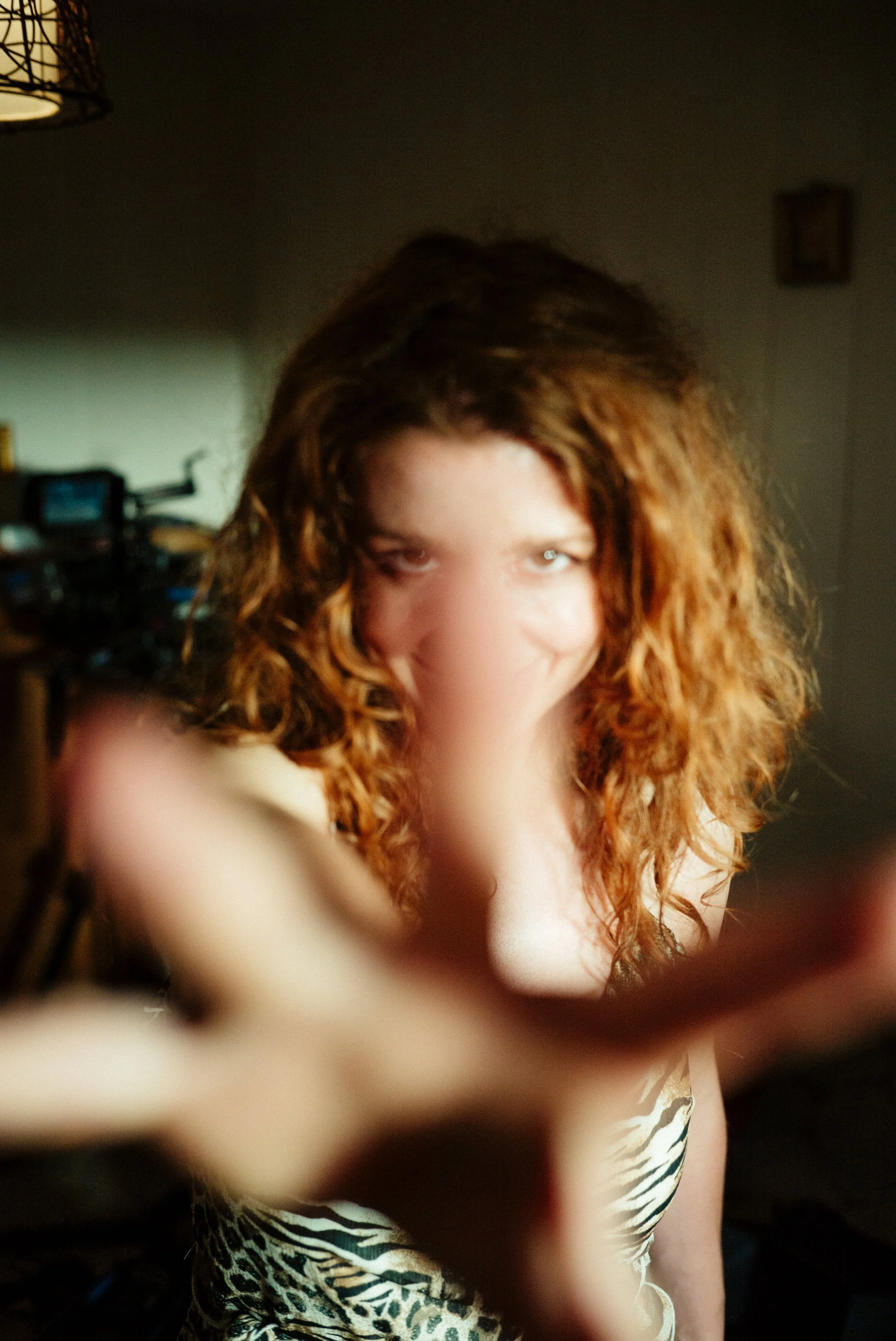
Script readers feedback & impressions:
“Smart, layered, and artistically daring. The kind of psychological drama that rewards close attention.”
“Dense with atmosphere and ambiguity. This is slow-burn psychological horror done with elegance and bite.”
“Identity stripped to the bone, until only instinct is left.”
“Emotionally invasive in the best way, this isn’t horror that jumps, it seeps.”
“The structure is subtle but sharp, a theatrical sensibility with cinematic rhythm.”
“The house isn’t haunted, but the mind is. Brilliantly claustrophobic.”
“Time seems to bend in this story. Days blur, memories twist. It's disorienting by design, and it works.”
“A masterclass in internal conflict, the horror here is all psychological, and that’s what makes it land.”
“The line between character and self blurs until it vanishes, a quiet identity crisis turned primal reckoning.”
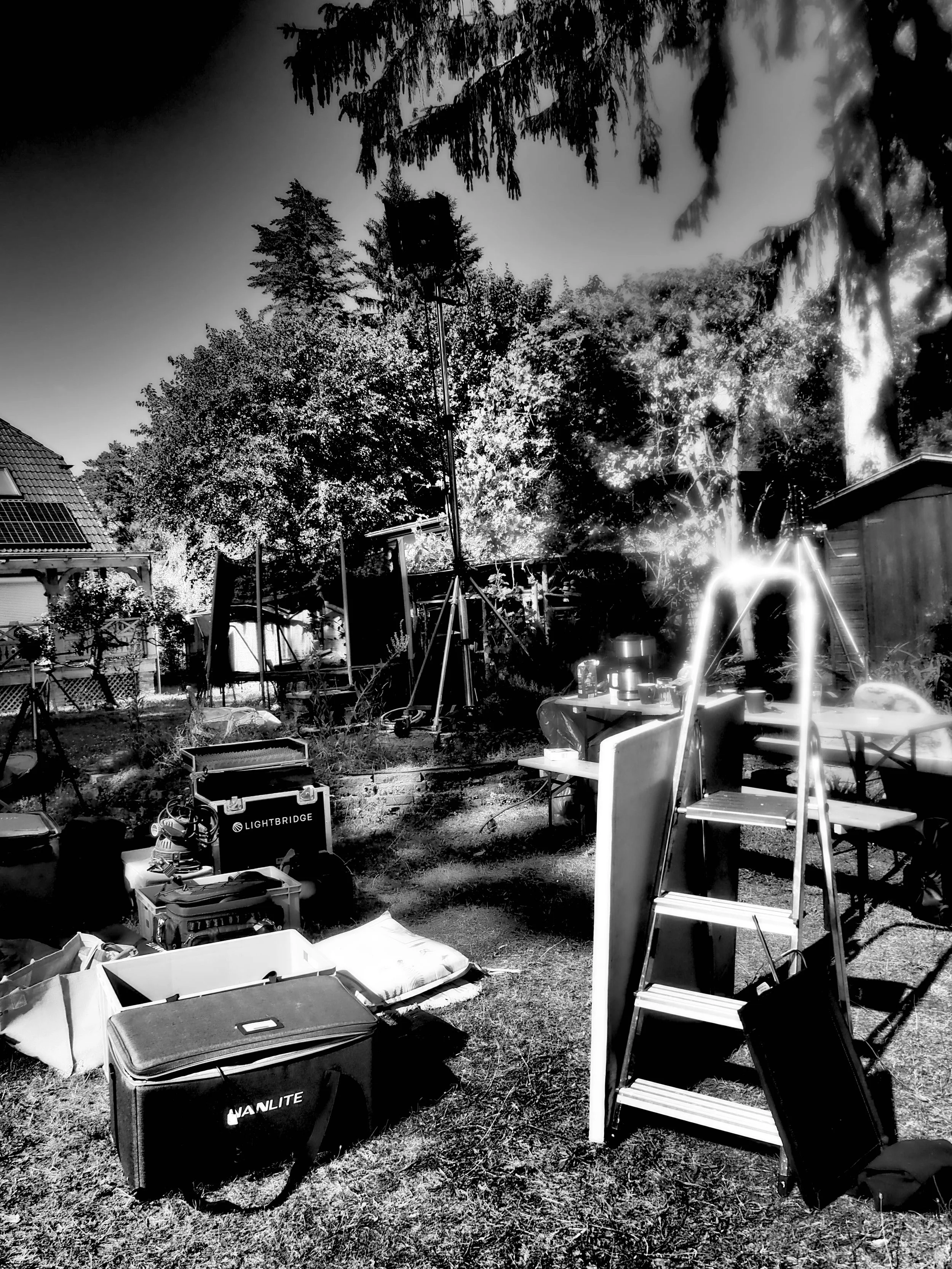
Visual DNA
The Human Experience is a slow cinematic fever dream where sunlight replaces darkness as the source of unease.
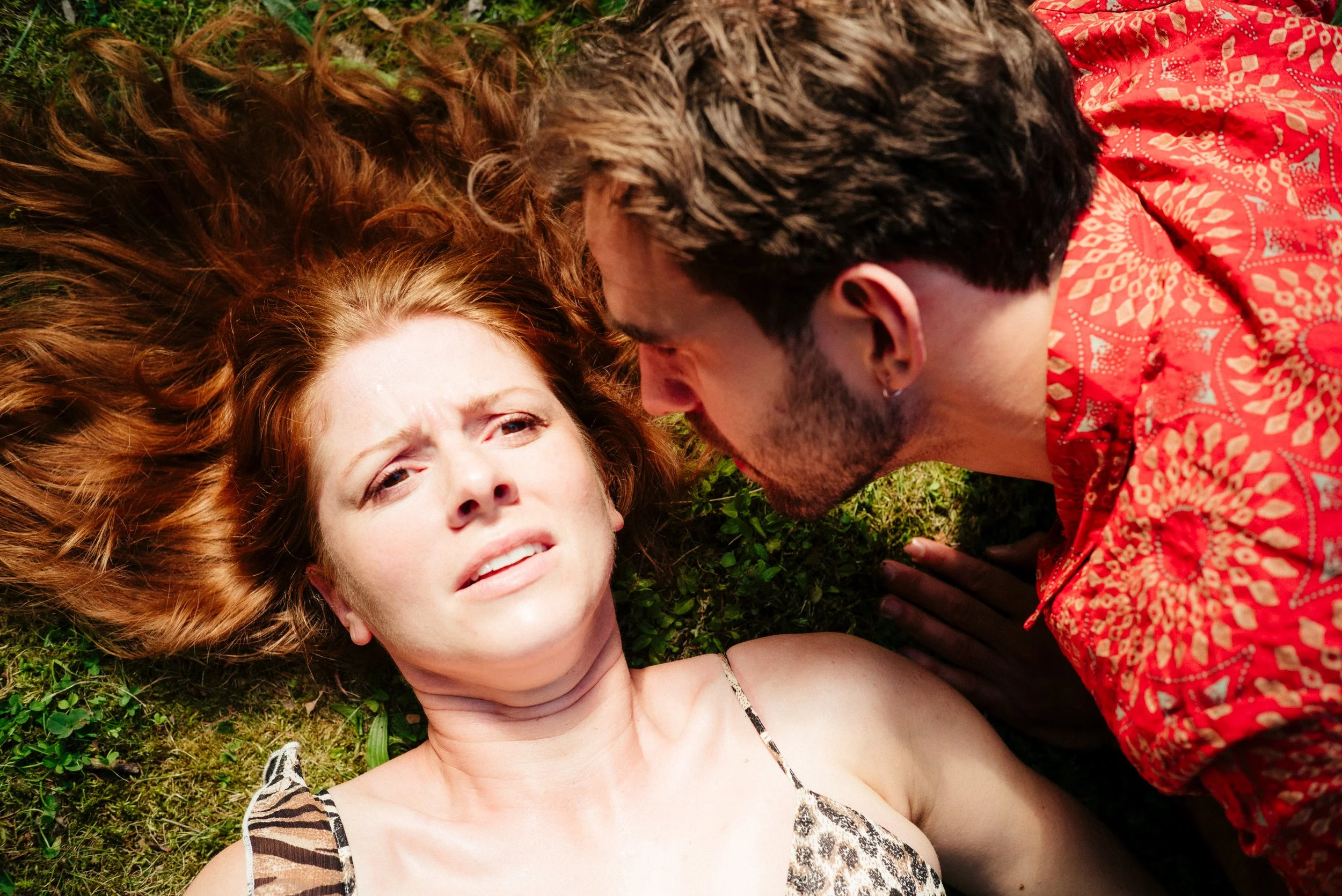
The visual language moves from observational realism into instinctive subjectivity, mirroring a woman’s collapse between performance and identity. Warmth becomes pressure: yellow light suggests safety, orange signals transformation, and red marks the emergence of raw instinct.
The camera begins as a distant witness and gradually turns intimate and physical, drawn closer to skin, breath, and silence. Natural light, heat, and texture define the world, a sun-bleached reality that slowly reveals its psychological intensity, until image and emotion become inseparable.
Visual keywords:
Sun-bleached • Feverish • Intimate • Dreamlike • Organic • Oppressive warmth • Psychological proximity • Slow transformation
The visual tone of The Human Experience lives between realism and hallucination. It begins grounded and observational, then slowly shifts into something instinctive, as if the camera itself forgets how to remain objective.
By the end, the world looks almost the same, but it feels entirely different.
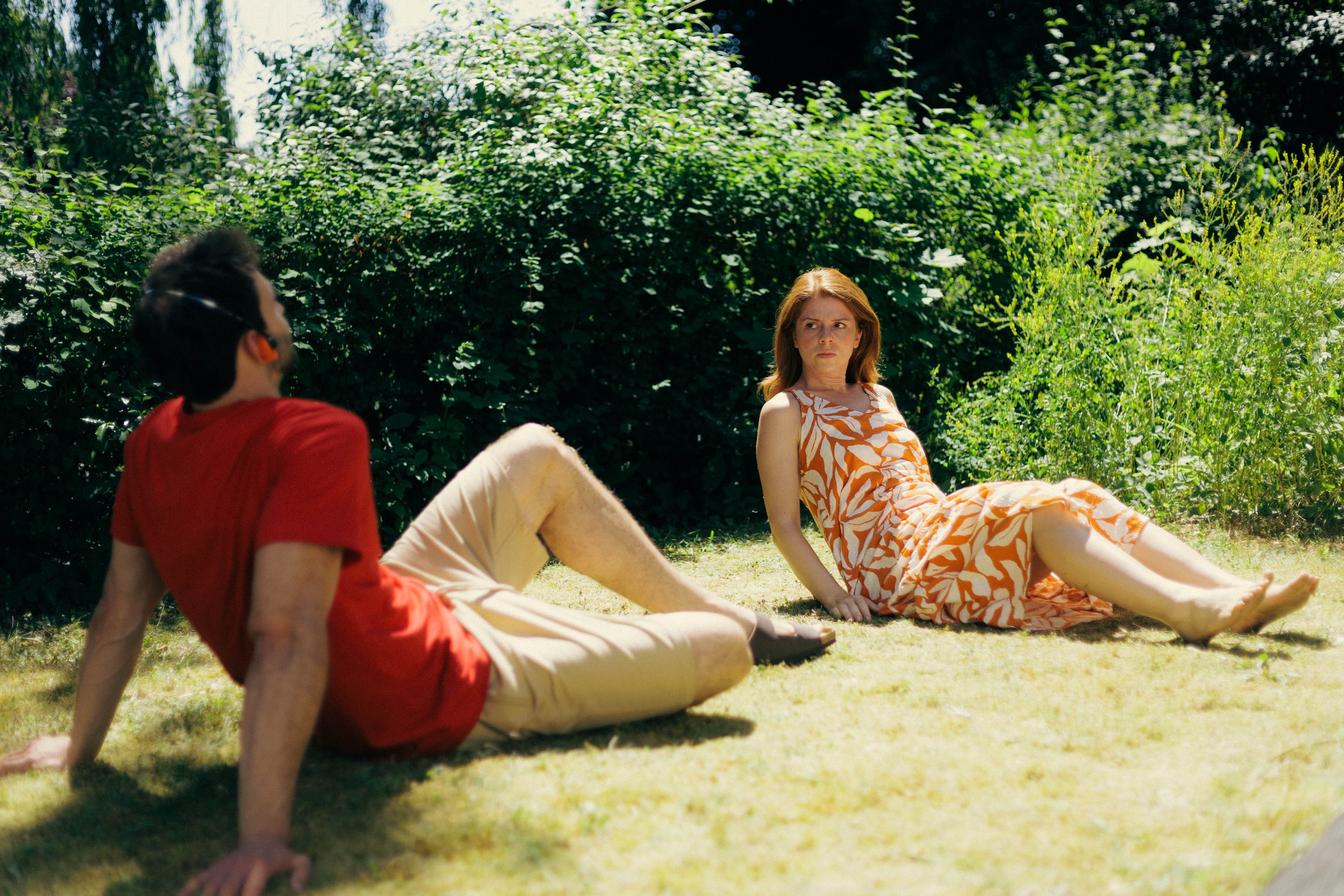
Visual Philosophy
You weren’t born to follow someone else’s script.
You were born to write your own story.
This film is a descent into the space between who we are and who we perform, a place where sunlight becomes heavy, silence grows louder, and instinct slowly rises beneath the surface. The image moves from distance to closeness, from warmth to intensity, until the camera no longer observes but feels.
The Human Experience is about presence. Transformation. The fragile moment when identity breaks open and something more honest appears.
The world does not change.
The way we see it does.
And in that shift, between performance and truth, we remember what it means to be human.
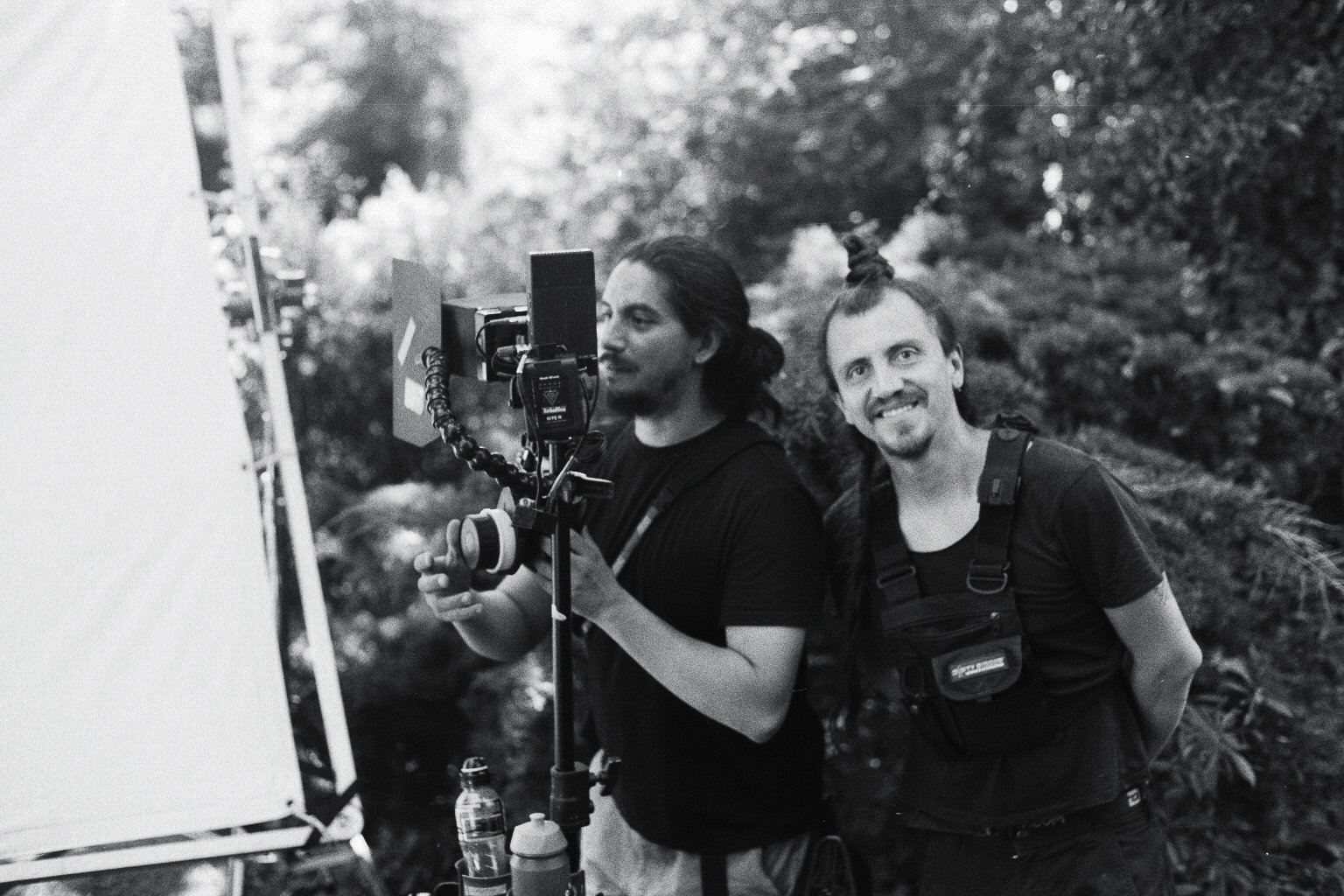
Festival Positioning -Visual Statement
The Human Experience positions itself within contemporary European auteur cinema as a psychologically immersive work where visual language operates as emotional architecture rather than decoration.
Rooted in naturalism yet drifting toward subjective perception, the film transforms summer light into a source of existential tension, allowing atmosphere and performance to carry the narrative weight.
Its aesthetic rejects spectacle in favour of slow, sensory escalation, a gradual shift from observational distance toward visceral intimacy. Colour evolves as a psychological signal, moving from sun-bleached warmth into instinctive intensity, reflecting the fragile dissolution of identity at the film’s core.
The result is a cinematic experience that feels both intimate and unsettling: a quiet, hypnotic descent where the boundaries between character, actor, and human instinct slowly collapse.

Why This Film Must Exist Now - Artistic Statement
We live in a time where identity is increasingly performed, shaped by expectation, visibility, and the constant pressure to become a version of ourselves others can recognize. The Human Experience emerges from this tension, asking what remains when the performance no longer holds, when the roles we inhabit begin to consume the person beneath them.
Visually, the film responds to a cinematic landscape often defined by speed, spectacle, and overstimulation by moving in the opposite direction: toward stillness, intimacy, and psychological presence. It insists on slowness as an act of resistance, allowing emotion, discomfort, and transformation to unfold in real time. Rather than presenting horror as external threat, it locates it within the fragile space between identity and instinct, where many contemporary anxieties quietly reside.
By transforming summer light into a source of pressure and warmth into unease, the film reclaims the familiar and reveals it as unsettling. The image evolves not through spectacle but through accumulation, small shifts in colour, proximity, and perception that mirror the gradual unraveling of self.
At its core, The Human Experience speaks to a collective question of our moment: who are we when we stop performing and are we prepared to face what emerges in the silence that follows?
This film must exist now because it reflects a generation negotiating authenticity in a world built on roles, and because cinema, at its most powerful, reminds us that beneath every performance there is something raw, instinctive, and undeniably human.

The Human Experience - Story Summary
The Human Experience is a psychological drama with horror undertones about identity, instinct, and the thin line between performance and reality.
Faye, an actress who has spent years immersed in a surreal theatre production, retreats to a remote summer house hoping to rediscover who she is beyond the role that has consumed her. The oppressive summer heat and the isolation of the house create a dreamlike atmosphere where time begins to blur, and memories, fantasies, and reality increasingly overlap.
She is joined by her best friend, Sophie, a photographer searching for authenticity and truth, whose grounded presence initially offers stability. But their fragile calm is disrupted when Tim, the director of the play, arrives, a figure who represents control, obsession, and the pressure to remain trapped in performance. His presence reignites Faye’s internal struggle, pushing her deeper into confusion about where the character ends and her real self begins.
As the heat intensifies, Faye drifts between waking life, dreams, and nightmares. Animalistic impulses and fragments of childhood memories, including the haunting image of a giraffe, begin guiding her toward a more primal understanding of herself. The world around her becomes a reflection of her unraveling mind, and the boundaries between instinct and identity collapse.
The film unfolds as a slow psychological descent, exploring the fear of losing oneself and the violent necessity of transformation. Ultimately, The Human Experience asks what remains when the roles we perform fall away and whether becoming truly human requires destroying the version of ourselves built only to survive.